









Overview
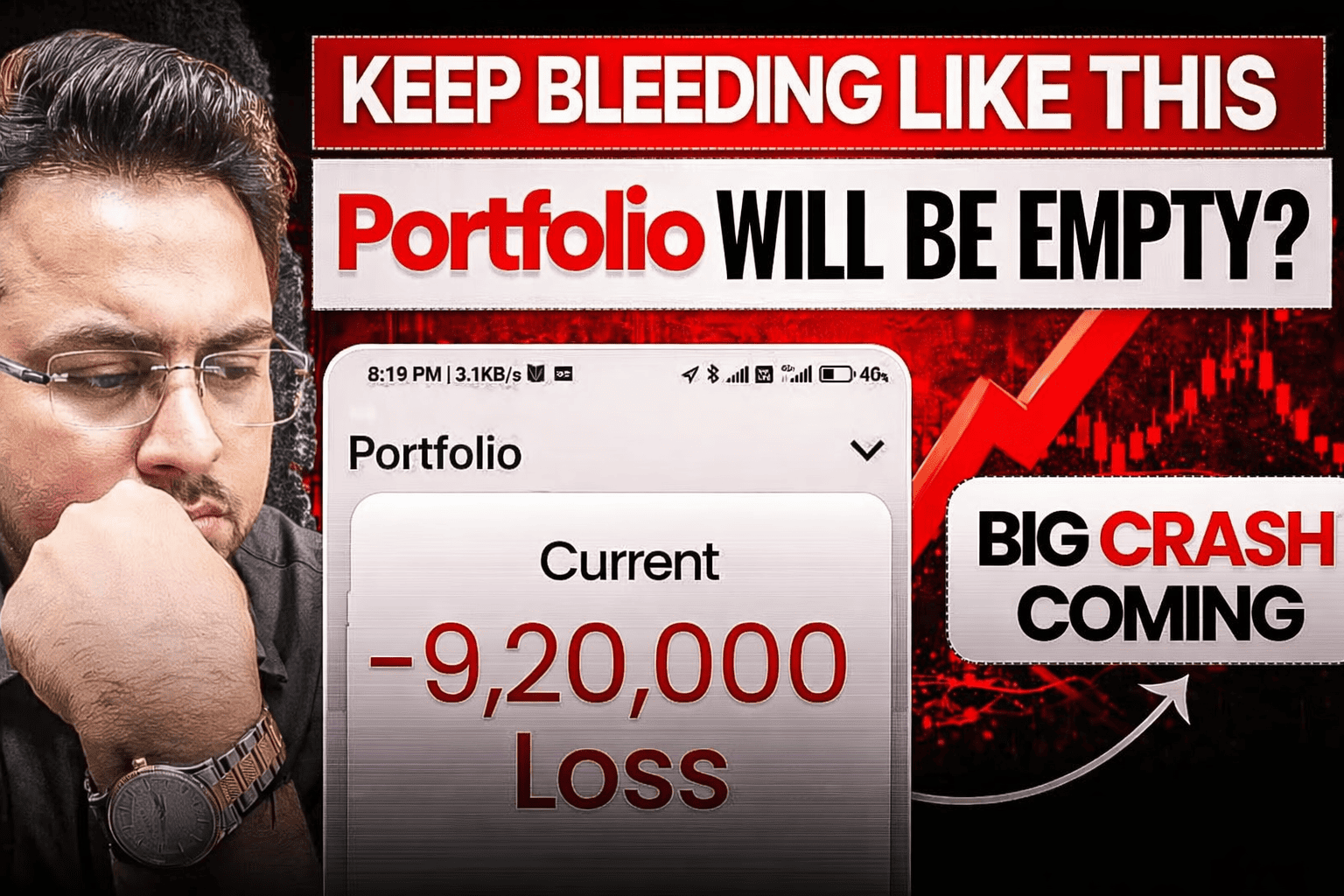
The current market situation feels intense, almost like every day your portfolio is taking a hit. Many investors are worried, confused, and emotionally drained as continuous selling pressure and global tensions push the market lower. If you’re seeing your investments fall daily, you’re not alone. But instead of reacting emotionally, this is the time to understand what’s happening and how to handle it smartly.
When the Market Bleeds: Understanding the Real Situation
Right now, the market is going through a tough phase. Indices are falling sharply, investor confidence is weak, and uncertainty is high. One of the biggest reasons is rising crude oil prices and global conflicts, which are affecting multiple sectors at once. When oil prices increase, industries like transportation, manufacturing, and pharma face higher costs. At the same time, a weakening currency and continuous foreign investor selling are putting extra pressure on the market. It may feel like everything is collapsing, but such phases have happened before and markets have always recovered over time.
Market Crash 2026 Strategy: What Smart Investors Should Do Now
In volatile markets, emotional decisions can cause more damage than the crash itself. The first step is to review your portfolio calmly. If your investments are heavily in small-cap or sectoral funds, then higher losses are expected. The second step is to avoid panic selling. Selling everything at a loss usually locks in damage instead of solving the problem. The third and most important step is to think long-term. Market crashes often create strong opportunities, but only for those who stay patient and disciplined.
Why Small Cap and Sectoral Funds Are Suffering More
Not all investments fall equally during a crash. Small-cap and sectoral funds tend to fall faster because they depend heavily on market sentiment and foreign investment. When big investors start selling, these categories get hit the hardest. If your portfolio has a large exposure to small-cap funds, then the fall will feel more painful. This is why over-concentration in one category increases risk significantly.
The Power of Diversification in Tough Markets
A balanced portfolio can reduce stress during market crashes. Instead of putting all your money into one segment, spreading investments across categories helps manage risk. A practical allocation could include exposure to small-cap, mid-cap, large-cap, and multi-asset funds. This way, even if one segment falls sharply, others can provide stability. Diversification doesn’t eliminate losses completely, but it controls the damage and improves long-term consistency. For deeper understanding, you can read: https://www.investopedia.com/terms/d/diversification.asp
Traders vs Investors: Who is Winning Right Now?
In falling markets, traders often find opportunities because volatility creates short-term price movements. However, trading requires skill, discipline, and proper risk management. Beginners jumping into trading without knowledge may face heavy losses. Investors, on the other hand, need patience. While their portfolios may fall in the short term, long-term investing rewards those who stay consistent and avoid emotional decisions.
Global Tensions and Their Impact on Markets
Global geopolitical tensions are playing a major role in the current market situation. Conflicts between countries increase uncertainty, which directly affects investor sentiment. When uncertainty rises, foreign investors withdraw money, currencies weaken, oil prices increase, and stock markets fall. These factors together create a negative cycle, which is clearly visible right now.
What Should You Do Going Forward?
Instead of focusing only on losses, shift your focus to strategy. If you already have investments, avoid panic exits. Review and rebalance your portfolio if required. If you are planning to invest, do it gradually instead of investing all your money at once. Keep learning and understanding market behavior because knowledge helps you make better decisions during uncertain times. You can also check real-time updates here: https://www.nseindia.com
For more related insights, you can also read: https://scanxnews.com/stock-market-guide
Conclusion
The current market phase is difficult, but it is not permanent. Every crash feels like the worst when you are in it, but history shows that markets recover. The key is to stay calm, stay informed, and follow a disciplined strategy. Those who manage their emotions and stick to their plan are the ones who benefit the most in the long run.
Disclaimer
This content is for informational and educational purposes only. It does not constitute financial or investment advice. Always consult a certified financial advisor before making any investment decisions. Stock market investments are subject to market risks, and past performance does not guarantee future results.